Introduction
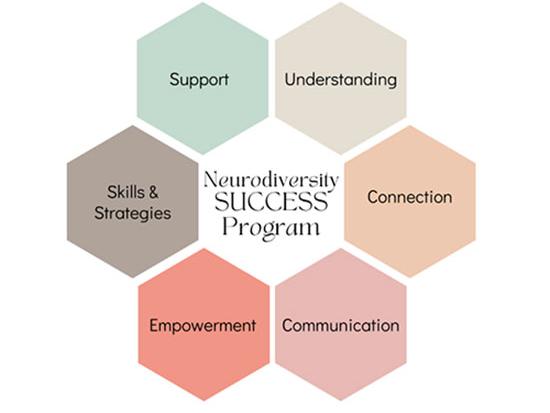
Support * Understanding * Connection * Communication * Empowerment * Skills & Strategies
Phoenix College is committed to supporting and empowering neurodiverse students through their academic journey through the implementation of Neurodiversity SUCCESS:
- Support - Utilize a strengths-based approach to support neurodivergent students
- Understanding - Combat stigma by creating a shared understanding of neurodiversity for instructors and professional staff
- Connection - Provide social support for neurodivergent students to connect with their peers
- Communication - Develop an awareness of communication styles and needs to enhance effective communication and collaboration
- Empowerment - Empower neurodivergent individuals through identity development and self-advocacy
- Skills & Strategies - Develop student success skills and strategies to overcome executive dysfunction and other academic barriers
ND SUCCESS Program
Are you a college student who identifies as neurodivergent and wants to connect with others who understand your experiences? ND SUCCESS is a semester-long program that provides academic support through weekly workshops and body doubling study groups. Join us for a safe, supportive, and empowering environment centered around connection, belonging, and community building.
Everyone is welcome—no matter how you experience the world!
Program Components
Weekly Workshops
Our weekly workshops focus on topics students help choose. Together, we’ll explore strategies that work for your brain and connect with other neurodivergent students as you navigate college. It is a welcoming space to learn from one another and discover approaches that build on your strengths and interests.
Body-Doubling
Getting started or staying focused can feel easier with someone working alongside you. Body doubling is a productivity strategy that gives you a shared space to work on your assignments, study, or tackle your to-do list while others do the same. You don’t need to work on the same thing. It's a way to enjoy some company, get started, and build momentum.
1:1 Peer Coaching
Connect one-on-one with a peer coach to share experiences, talk through challenges, and explore strategies that feel right for you. Peer coaching can help you with organized assignments, prioritize tasks, getting started, and stay focused. Together you can try different study strategies, reflect on how you learn, and find ways to adjust your approach and pace your effort.
Sensory-Friendly Spaces
Sensory rooms provide a safe space for individuals to modulate their emotions and develop self-regulation skills. Students who are emotionally dysregulated can seek out pleasant sensory experiences while avoiding overwhelming stimuli. Sensory rooms may include: flexible seating, soft lighting, sensory stimuli, soothing toys/fidgets, noise management, etc.